
The Role of Luck in Casino Games
Luck undeniably plays a significant role in determining outcomes in various casino games, shaping an environment that thrives on unpredictability. At its core, luck represents the element of chance that can lead to unexpected wins or losses. Take, for example, slot machines, where the results are entirely dictated by a random number generator. Each spin is independent, meaning players have no control over the outcomes. This inherent randomness emphasizes that luck is the primary factor influencing these games, where players can only hope for favorable results with every pull of the lever or click of a button, especially when they choose to play at 1win for an exciting experience.
However, contrasting games like poker and blackjack introduce a complex blend of skill alongside luck. While the initial distribution of cards is certainly governed by chance, the strategic decision-making and psychological tactics employed by players significantly influence the game’s progression. For instance, a skilled poker player evaluates their hand, considers their opponents’ likely moves, and makes calculated bets to keep their chances of winning high. This interplay between luck and skill not only enhances the thrill of the experience but also engages players on multiple levels, demonstrating that while luck is a key component, skill can also dictate success.
Ultimately, luck exists as an omnipresent force within the casino landscape. Even in games that heavily emphasize skill, such as sports betting or card games, the influence of luck remains ever-present. Players often experience winning streaks that seem inexplicable, reinforcing the belief that luck can drastically shape their gaming experience. Therefore, a thorough understanding of the dual role of luck and skill is essential for anyone navigating the intricate world of gambling, allowing them to approach their gaming endeavors with a balanced mindset and realistic expectations.
The Psychology of Luck in Gambling
The perception of luck in gambling is deeply intertwined with psychological factors that shape how players engage with casino games. Many gamblers develop personal beliefs about luck, often labeling themselves as either lucky or unlucky, which can heavily influence their decisions and behaviors. This belief frequently manifests in superstitions, such as carrying lucky charms, wearing specific outfits, or performing rituals before placing bets. Such behaviors illustrate how psychological influences can amplify the perception of luck, making it feel more significant than statistical evidence suggests. The emotional connection to luck often drives players to adopt behaviors that enhance their gaming experience, even if these actions lack any real impact on game outcomes.
Moreover, the exhilarating nature of gambling can heighten the belief in luck. Winning triggers the release of dopamine, a brain chemical associated with pleasure and reward, reinforcing the idea that luck is a tangible force. This rush can create a cycle where players continue to gamble, motivated by the desire to replicate the euphoric feeling of a win, often at the expense of acknowledging the statistical realities of the games they play. This psychological interplay emphasizes the importance of recognizing how emotions can cloud judgment, prompting players to chase fleeting moments of luck without considering the long-term implications of their actions.

However, while the psychology of luck can enhance the gaming experience, it may also lead to negative consequences. A player’s belief in their luck can drive them to chase losses, under the assumption that a favorable outcome is just around the corner. This mindset can develop into gambling addiction, where the desire to recover lost money overshadows rational decision-making. Understanding the psychological dimensions surrounding luck in gambling is crucial for players, as it helps them identify when their perception of luck may be steering them away from responsible gambling practices and a balanced approach.
Luck versus Skill: A Case Study in Casino Games
To clearly illustrate the dynamic between luck and skill, consider the game of poker in contrast to roulette. In poker, a player’s success hinges not only on their understanding of the game’s mechanics but also on their ability to read opponents and employ strategic betting. Although luck influences the initial card distribution, a skilled player can navigate the game effectively, minimizing losses and capitalizing on profitable opportunities. This highlights the potential for skill to counterbalance the randomness of luck, demonstrating that players can exert some control over their outcomes.
Conversely, roulette serves as a prime example of a game predominantly dictated by chance. Players place bets on where they anticipate the ball will land on a spinning wheel, with every outcome being entirely random. In this scenario, strategy lacks impact, as the odds remain fixed regardless of previous spins. This distinction underscores how certain games lean heavily on luck, while others afford players the opportunity to utilize skill to shape their gaming experience.
Understanding the interplay between luck and skill is essential for players seeking to optimize their gambling outcomes. By recognizing which types of games favor skill over luck, players can make informed decisions about where to invest their time and resources. This knowledge not only enhances their enjoyment of the games but also empowers them to approach gambling with a more strategic mindset, balancing the unpredictable nature of luck with their own capabilities and understanding of the games.
The Impact of Luck on Gambling Behavior
The influence of luck transcends mere game outcomes; it significantly impacts players’ behaviors and attitudes toward gambling. Many individuals encounter what is known as “hot streaks,” periods during which they believe they are on a lucky roll. This sense of invincibility often leads to increased bets and prolonged play sessions, as players feel emboldened by their perceived good fortune. However, this heightened state can distort judgment, resulting in impulsive decisions that may culminate in substantial losses down the line.
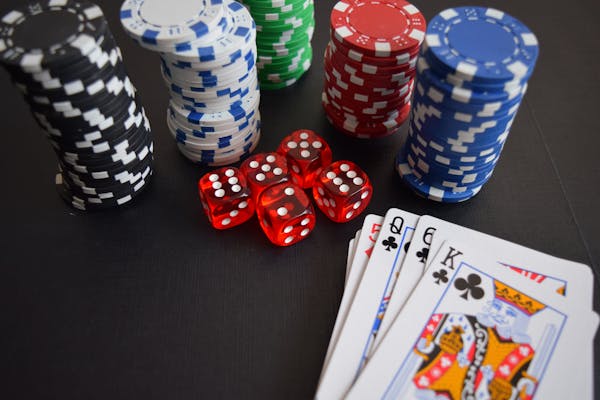
On the flip side, cold streaks can have a demoralizing effect on a gambler’s mindset. When players feel luck is not in their favor, discouragement can set in, prompting them to withdraw from gaming altogether or gamble recklessly in a desperate attempt to change their fate. These fluctuations in belief can dramatically shape a player’s overall gambling experience, oscillating between the highs of joy during winning and the lows of despair during losing. Recognizing these psychological responses to luck is crucial for players, as it aids in fostering healthier gambling habits and maintaining a balanced approach to gaming.
Furthermore, the gambling industry is acutely aware of the psychological effects of luck and actively leverages these insights through marketing techniques. Promotions, bonuses, and visually stimulating game designs are crafted to evoke a sense of luck and excitement, encouraging players to engage in extended gaming sessions. This awareness underscores the importance of being conscious of how marketing strategies can exploit the psychology of luck, ultimately prompting players to approach gambling with a critical eye and adopt responsible gaming practices that safeguard against potential overindulgence.
Exploring Resources for Responsible Gambling
For those looking to engage with casino games, understanding the balance between luck and skill is paramount. Numerous resources exist to assist players in navigating the intricacies of responsible gambling. Websites dedicated to promoting responsible gaming offer valuable insights into setting limits, comprehending game odds, and recognizing the signs of gambling addiction. These tools empower players to make informed decisions about their gambling activities, ensuring they remain within their limits while still enjoying the thrill of the games.
Education is vital for players as they delve into the games of their choice. Understanding how odds work, what the house edge signifies, and the mathematical principles underlying the games can clarify many aspects of luck associated with gambling. By arming themselves with knowledge, players can make strategic decisions that align with their risk tolerance, optimizing enjoyment while minimizing potential pitfalls arising from misunderstandings about the games.
Additionally, connecting with support groups or helplines dedicated to gambling can provide crucial assistance for those who find themselves struggling with their gaming habits. These resources create a safe space for individuals to discuss their experiences, seek guidance, and learn coping strategies to cultivate a healthier relationship with gambling. Highlighting the importance of support networks serves to empower individuals, encouraging them to approach gambling as a recreational activity rather than a source of stress or anxiety.